
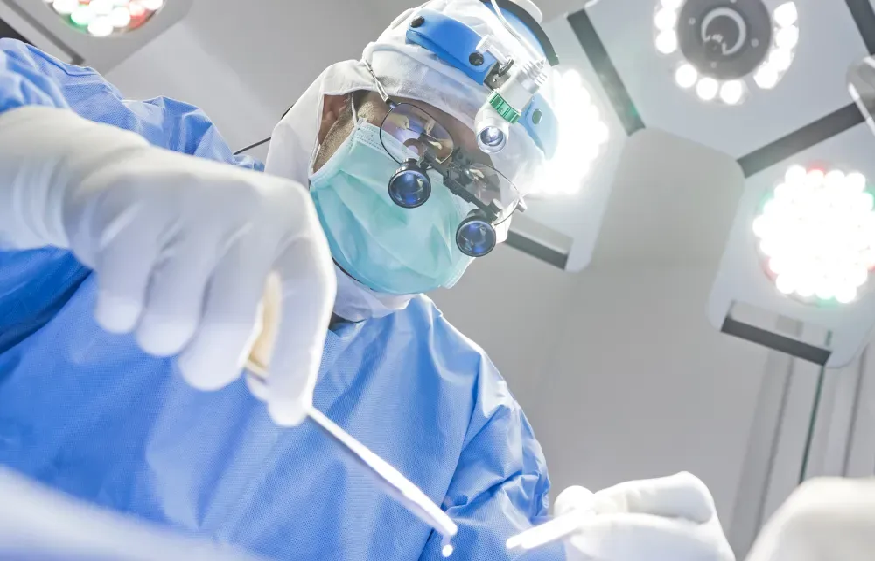
Advancing Heart Care: Understanding Interventional Cardiology and the Role of Cardiologists in Las Vegas
Heart disease remains one of the most significant health concerns worldwide. Advances in medical science have dramatically improved the way cardiovascular conditions are diagnosed and treated, helping patients live longer and healthier lives. Among these advancements, interventional cardiology has emerged as an important field that focuses on treating heart conditions using minimally invasive procedures.
In rapidly growing cities such as Las Vegas, access to specialized heart care is increasingly important. The work of a skilled cardiologist in Las Vegas plays a critical role in diagnosing cardiovascular problems early and guiding patients through modern treatment options, including procedures performed in interventional cardiology Las Vegas practices.
Read More: HOW EMPLOYEE DRUG SCREENING SERVICES CAN PROTECT YOUR WORKPLACE AND BOOST PRODUCTIVITY
Understanding how these medical specialists work and why their role is essential can help individuals take proactive steps toward protecting their heart health.
What Is Interventional Cardiology?
Interventional cardiology is a specialized branch of cardiology that focuses on diagnosing and treating heart and blood vessel conditions using catheter-based procedures. Instead of performing open-heart surgery, these treatments are carried out through small incisions using flexible tubes called catheters.
These procedures allow doctors to reach the heart through blood vessels, often inserted through the wrist or groin. Using advanced imaging technology, physicians can guide instruments to the affected area and perform targeted treatments.
Common procedures associated with interventional cardiology Las Vegas services may include:
- Opening blocked arteries
- Placing stents to improve blood flow
- Treating heart valve conditions
- Evaluating coronary artery disease
Because these procedures are minimally invasive, patients often experience shorter recovery times compared to traditional surgical methods.
The Role of a Cardiologist
A cardiologist in Las Vegas is a medical specialist trained to diagnose, treat, and manage conditions related to the heart and circulatory system. Cardiologists work with patients who may be experiencing symptoms such as chest pain, irregular heartbeats, shortness of breath, or high blood pressure.
Their responsibilities typically include:
- Conducting diagnostic tests such as electrocardiograms and echocardiograms
- Evaluating risk factors for heart disease
- Prescribing medications and lifestyle recommendations
- Monitoring long-term cardiovascular health
Some cardiologists specialize further in interventional procedures, enabling them to perform minimally invasive treatments when necessary.
Through early diagnosis and preventive care, cardiologists help patients manage heart conditions before they become severe.
Why Interventional Cardiology Is Important
The development of interventional cardiology has transformed the treatment of many cardiovascular diseases. In the past, many heart conditions required major surgery with long hospital stays. Today, catheter-based procedures provide safer and more efficient treatment options.
Patients receiving care through interventional cardiology Las Vegas specialists often benefit from:
- Less invasive procedures
- Reduced recovery times
- Lower risk of complications
- Improved patient outcomes
These advantages allow individuals to return to their normal routines more quickly while receiving effective treatment for serious heart conditions.
Heart Health Challenges in Growing Cities
Urban growth can influence public health in several ways. Cities like Las Vegas have experienced rapid population expansion, which increases demand for accessible healthcare services.
Lifestyle factors such as stress, limited physical activity, and dietary habits can also contribute to cardiovascular risks. As a result, the need for qualified cardiologists in Las Vegas continues to rise.
Cardiologists play a vital role in helping patients manage risk factors such as:
- High blood pressure
- High cholesterol levels
- Diabetes
- Obesity
- Smoking-related health issues
By identifying these risks early, physicians can develop personalized treatment plans that reduce the likelihood of serious heart complications.
Preventive Cardiology and Long-Term Care
While interventional procedures are important for treating existing heart conditions, prevention remains a cornerstone of cardiovascular health. Preventive cardiology focuses on identifying risk factors before they develop into serious diseases.
A cardiologist in Las Vegas often works closely with patients to promote healthier lifestyles and reduce cardiovascular risk. Preventive strategies may include:
- Regular heart health screenings
- Blood pressure monitoring
- Nutritional guidance
- Exercise recommendations
- Stress management techniques
By combining preventive care with modern medical treatments, healthcare providers can help patients maintain long-term heart health.
Technology Advancements in Interventional Cardiology
Technological innovation has significantly improved the field of cardiology. Advanced imaging systems allow doctors to visualize blood vessels and heart structures in real time, enabling precise diagnosis and treatment.
Specialists practicing interventional cardiology in Las Vegas procedures use sophisticated tools that guide catheters through the body safely and accurately.
Modern medical technology has also improved the design of devices used to support blood vessels and restore circulation. These innovations help cardiologists treat complex cardiovascular conditions with greater accuracy.
As research continues to advance, new treatment methods are expected to further improve patient outcomes.
When to Consult a Cardiologist
Many people associate cardiologists with emergency heart conditions, but consulting a heart specialist can also be beneficial for preventive care.
Individuals may consider visiting a cardiologist in Las Vegas if they experience:
- Persistent chest discomfort
- Shortness of breath during physical activity
- Frequent dizziness or fainting
- Irregular heartbeats
- Family history of heart disease
Early evaluation can help detect potential issues before they progress into more serious conditions.
For patients who require specialized procedures, physicians trained in interventional cardiology Las Vegas techniques can offer minimally invasive treatment options that support faster recovery.
The Future of Cardiovascular Care
The field of cardiology continues to evolve as researchers develop new technologies and treatment strategies. Advances in diagnostic imaging, minimally invasive procedures, and personalized medicine are reshaping how cardiovascular diseases are managed.
As the population of Las Vegas continues to grow, the importance of accessible heart care services will remain a priority. The work of a dedicated cardiologist in Las Vegas is essential for ensuring that patients receive early diagnosis, effective treatment, and long-term health guidance.
At the same time, innovations in interventional cardiology Las Vegas practices are making heart procedures safer, more efficient, and less invasive than ever before.
Heart health is a critical component of overall well-being, and modern medical advancements have significantly improved the way cardiovascular conditions are treated. Interventional cardiology has transformed heart care by providing minimally invasive solutions that help patients recover faster while addressing serious medical concerns.
Read More: THE POTENTIAL BENEFITS OF NAD+ INJECTIONS: ENERGY, BRAIN HEALTH, AND MORE
With the support of skilled cardiologists in Las Vegas and advanced interventional cardiologyprocedures, individuals have greater access to effective treatments and preventive care.
By prioritizing heart health through regular medical checkups, healthy lifestyle choices, and timely treatment, patients can take meaningful steps toward protecting one of the body’s most vital organs.