
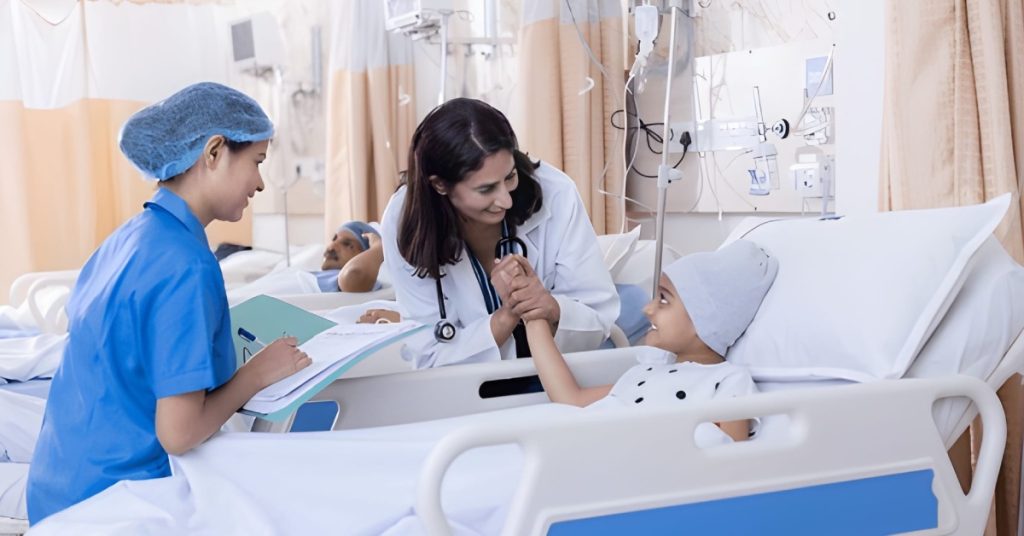
How Oncology Patient Support Programs Improve Treatment Experiences
A cancer diagnosis often brings significant emotional, physical, and practical challenges. While medical treatments such as chemotherapy, radiation therapy, and immunotherapy are critical components of care, patients frequently require additional support throughout their journey. This is where oncology patient support programs play an important role. These programs are designed to help individuals navigate treatment, understand their options, and access the resources they need to improve their overall experience.
As healthcare continues to evolve, patient-centered care has become increasingly important. Oncology support services contribute to this approach by addressing concerns that extend beyond medical treatment alone.
Providing Guidance Through Complex Treatment Plans
Cancer treatment can involve multiple appointments, specialists, medications, and procedures. For many patients, managing these responsibilities can feel overwhelming. Oncology patient support programs help simplify the process by providing guidance and educational resources.
Support coordinators and patient advocates can explain treatment plans in understandable terms, answer questions, and help patients prepare for upcoming appointments. This guidance helps individuals feel more informed and confident about the decisions they make regarding their care.
When patients understand their treatment pathway, they are often better equipped to participate actively in their healthcare journey.
Improving Access to Resources
One of the most valuable aspects of patient support programs is their ability to connect individuals with helpful resources. Cancer treatment often creates challenges related to transportation, financial assistance, insurance navigation, and medication access.
Support programs can help patients identify available services and direct them toward organizations that provide practical assistance. By making it easier for people to get care, these programs help patients focus on their treatment and healing instead of worrying about how to get there.
Improved access to resources often contributes to a smoother and less stressful treatment experience.
Offering Emotional and Psychological Support
The emotional impact of cancer can be just as significant as the physical effects. Feelings of anxiety, fear, uncertainty, and isolation are common among patients and their families.
A lot of oncology support programs offer counseling, support groups, and educational tools that focus on emotional health. During hard times, talking to trained professionals or getting in touch with people who have been through similar things can help you feel better.
Emotional support helps patients develop coping strategies and maintain a more positive outlook throughout treatment.
Encouraging Better Communication
Patients and healthcare workers must be able to talk to each other clearly in order for treatment to work. However, medical information can sometimes be difficult to understand, especially during stressful periods.
Patient support programs help bridge communication gaps by encouraging individuals to ask questions, track symptoms, and stay informed about their treatment progress. They may also provide tools that help patients organize important medical information.
Patients and care teams often have better relationships when they can talk to each other better. This makes the treatment setting more supportive.
Supporting Treatment Adherence
Cancer therapies frequently require strict schedules and ongoing monitoring. Missing appointments or medications can affect treatment effectiveness.
Support programs often provide reminders, educational materials, and personalized follow-up that encourage patients to stay on track with their care plans. These services can help individuals manage side effects, address concerns early, and remain engaged throughout the treatment process.
When patients receive consistent support, they are more likely to follow recommended treatment plans and maintain continuity of care.
Enhancing Overall Quality of Life
The ultimate goal of oncology support services is to improve the overall patient experience. By addressing practical, emotional, and educational needs, these programs help reduce stress and promote a greater sense of control.
Patients who feel supported throughout their cancer journey often report higher satisfaction with their care. They are better able to focus on recovery, maintain daily routines when possible, and build confidence in managing their health challenges.
An all-around method that combines medical care with emotional support can really change how cancer patients feel about their treatment.
Conclusion
Cancer care involves much more than medical procedures and medications. Patients often face a variety of challenges that can affect their well-being throughout treatment. Oncology patient support programs help address these needs by providing education, emotional assistance, resource coordination, and ongoing guidance.
Read More: How a Headache Chiropractor in Omaha Can Help You Find Lasting Relief
These programs help make treatment more pleasant by making it easier to talk to people, get care, and get personalized support. As healthcare organizations continue to prioritize patient-centered care, oncology support programs remain an essential component of helping individuals navigate their cancer journey with greater confidence and support.